

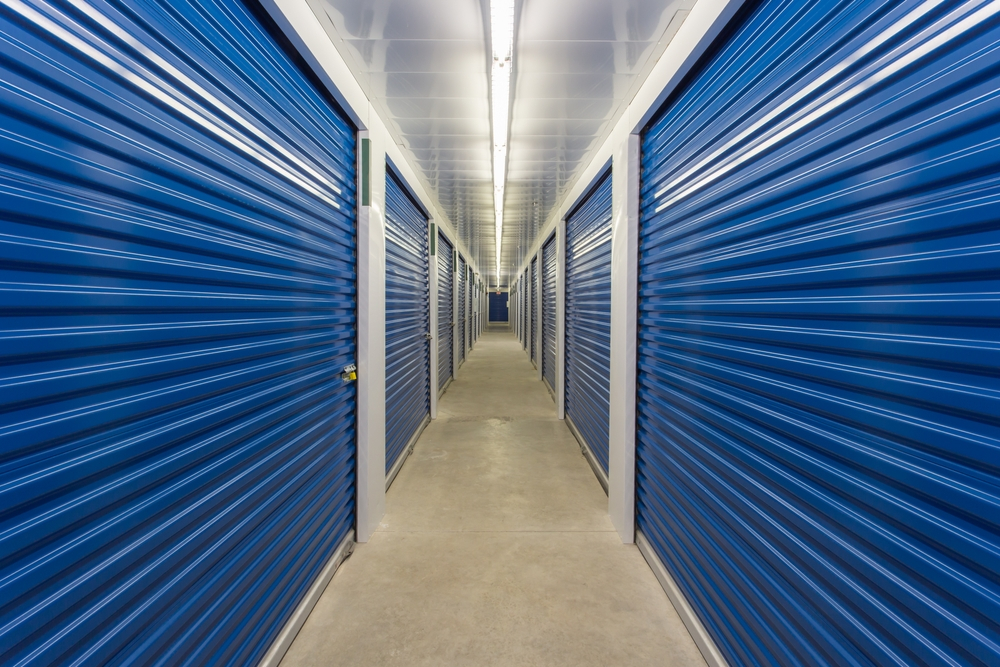
Temperature-controlled storage is an advanced solution designed to maintain consistent temperature and humidity levels, ensuring optimal protection for sensitive items like electronics, artwork and wooden furniture. These storage units use specialized HVAC systems to maintain a stable environment that protects valuables from warping, mold and pest infestations. For those seeking secure, reliable storage, a leading provider like New City Storage can offer exceptional options tailored to your needs. This guide explores the benefits, operational mechanisms, suitable items, cost considerations and tips for selecting the ideal temperature-controlled storage unit.
Benefits of Temperature-Controlled Storage
Temperature-controlled storage provides a superior level of protection compared to standard storage units, significantly reducing the risk of damage caused by fluctuating environmental conditions. By maintaining a steady temperature, these units prevent problems like warping, cracking and mold growth that commonly affect wooden furniture, antiques and electronics.
In addition to protecting your belongings from temperature and humidity extremes, temperature-controlled units create an environment unsuitable for pests. The controlled atmosphere discourages rodents and insects, ensuring your stored items remain free from infestation and damage.
The freshness and cleanliness of the storage space are other key benefits. With regulated air circulation, the risk of musty odors is minimized, helping maintain a pristine condition for your belongings over extended periods. This level of care ensures the longevity and integrity of items stored in a temperature-controlled environment.
How Temperature-Controlled Storage Works
Temperature-controlled storage units use advanced HVAC systems to regulate both temperature and humidity, ensuring a consistently stable environment. These systems maintain temperatures typically between 55 and 85 degrees Fahrenheit and humidity levels between 30% and 50%.
The units are equipped with sensors that monitor environmental conditions and automatically adjust to maintain optimal settings. This precise regulation is crucial for preventing issues such as moisture buildup, which can lead to mold and mildew and temperature-induced damage, such as warping and cracking. Enhanced insulation within these units further supports temperature stability, offering a dependable solution for storing delicate and valuable items.
Items Suitable for Temperature-Controlled Storage
Certain belongings are particularly vulnerable to environmental changes and benefit significantly from the consistent conditions provided by temperature-controlled storage. These include the following.
- Wooden Furniture – Protects against warping, cracking and mold growth caused by fluctuating temperatures and humidity.
- Electronics – Prevents condensation, corrosion and potential malfunction in sensitive electronic components.
- Artwork – Shields paintings, photographs and other art pieces that are fading, warping, or showing mold damage.
- Musical Instruments – Maintains the structural integrity and sound quality of instruments like guitars, pianos and violins by preventing environmental damage.
Items like these can lose value or become difficult to repair when exposed to extreme temperatures, moisture or changing storage conditions for long periods.
Cost Comparison—Temperature-Controlled Vs. Traditional Storage
While temperature-controlled storage units typically have higher rental costs than traditional units, the added expense is an investment in preserving your valuables. Standard storage options, though less costly, lack the necessary environmental controls to protect sensitive items from deterioration.
The financial benefits of temperature-controlled storage become apparent when considering the potential costs of repairing or replacing damaged items. For valuable possessions such as antiques, electronics and heirlooms, long-term savings often outweigh the initial investment in a temperature-controlled unit. Choosing this option ensures peace of mind and the safety of your cherished belongings.
Tips for Choosing a Temperature-Controlled Storage Unit
Selecting the right temperature-controlled storage unit involves careful evaluation of various factors to ensure your items are adequately protected.
- Temperature Stability – Confirm that the facility maintains a consistent temperature range suitable for delicate items.
- Humidity Regulation – Look for units with precise humidity control to prevent moisture-related damage.
- Ventilation and Air Quality – Choose a facility with proper air circulation and filtration systems to minimize odors and airborne contaminants.
- Security Features – Ensure the storage facility has robust security measures, such as surveillance cameras and controlled access, to safeguard your possessions.
By carefully considering these aspects, you can select a temperature-controlled storage unit that meets your specific needs, offering unparalleled protection for your belongings.